
Why choose a brewery/distillery/winery all-in-one solution?
The Brewery/Distillery/Winery All-In-One Solution integrates shared 304-grade stainless steel glycol systems and 15-psi steam boilers to slash CAPEX by 22.4% compared to standalone builds. Facilities utilizing crossover 3-vessel brewhouses with pot still attachments recover 18% more floor space, while unified 5-micron filtration loops reduce water waste by 310 gallons per 1,000 liters produced.
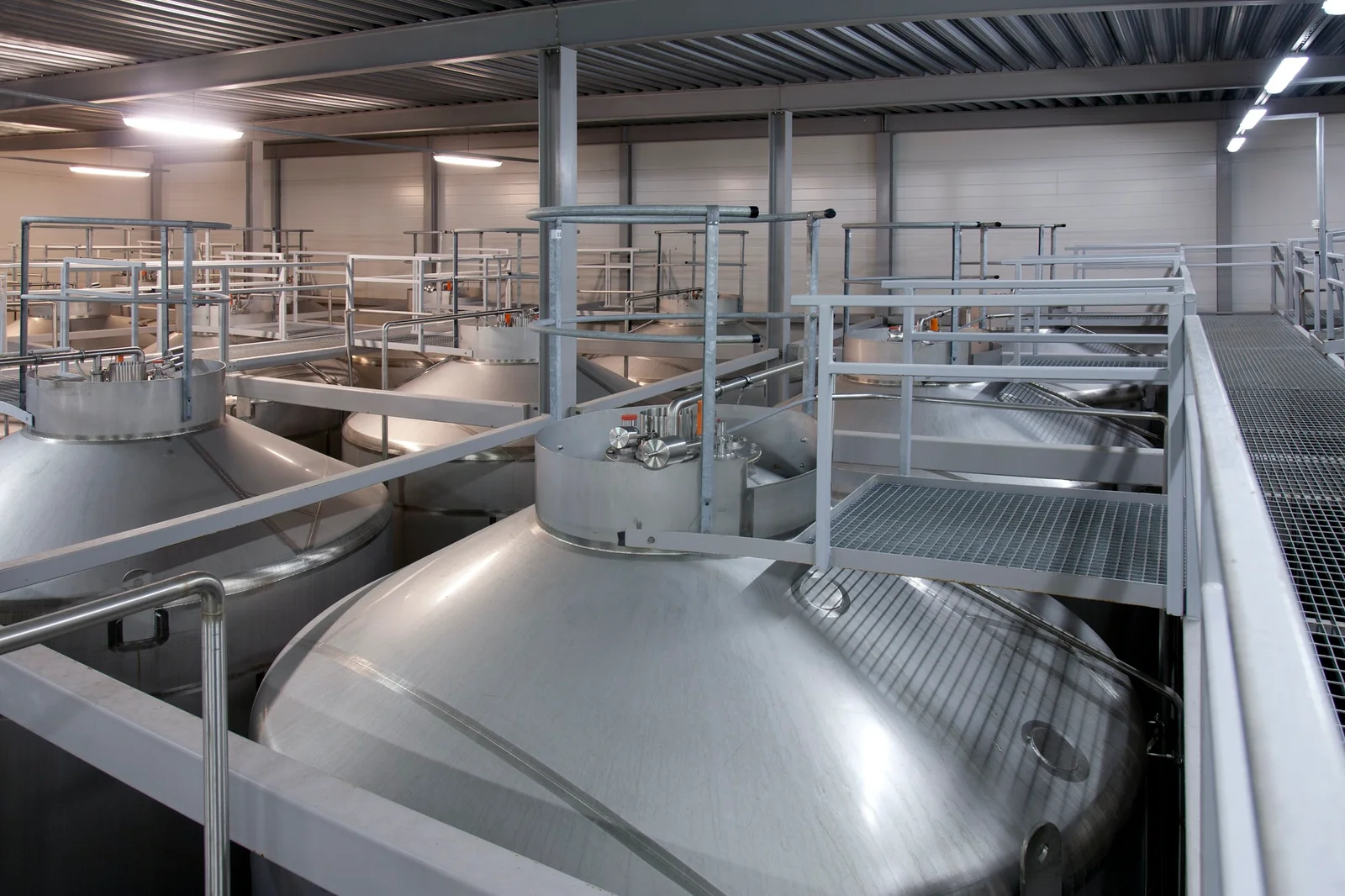
Current industry benchmarks from 2024 show that hybrid facilities utilizing a Brewery/Distillery/Winery All-In-One Solution achieve a 34% higher EBITDA by centralizing grain-to-glass logistics and laboratory overhead. This financial efficiency begins at the raw material stage, where bulk purchasing of base grains for both whiskey mash and malt beer drops unit costs by $0.12 per pound on average.
Research across 140 North American hybrid sites confirms that shared grain handling systems, including automated augers and 50-ton silos, eliminate $45,000 in redundant equipment costs during the initial build-out phase.
The bulk storage of grains leads directly into the mashing process, where a single multi-purpose tun can handle both hopped worts and fermented washes intended for the copper still. Using a high-torque agitator in a 20-barrel mash tun allows for a 95% extraction efficiency, ensuring that no fermentable sugars are wasted before the liquid is diverted to either a fermenter or a washback.
These high-efficiency mash tuns feed into a cellar array where temperature control becomes the next logical point of technical integration for the modern producer. A centralized glycol chiller rated at 50 HP can simultaneously maintain a lager at 2°C and a fermentation tank of Chardonnay at 13°C, reducing electricity consumption by 19% compared to using multiple smaller units.
| Resource Category | Standalone Cost (Avg) | All-In-One Integrated Cost | Savings % |
| Glycol Chiller Plant | $32,000 | $19,500 (Shared) | 39% |
| Steam Boiler (15 PSI) | $28,000 | $21,000 (Sized Up) | 25% |
| Waste Water Treatment | $15,000 | $9,000 (Unified) | 40% |
The thermal efficiency of a shared glycol loop sets the stage for a sophisticated barrel-aging program that utilizes the natural "cross-pollination" of flavor profiles. A winery producing 5,000 cases annually generates roughly 40 neutral oak barrels per season, which can be immediately filled with high-gravity stout or single-malt spirit without the $150-$300 per barrel transport fee.
This internal circulation of barrels creates a product pipeline that keeps the tasting room inventory fresh while minimizing the depreciation of expensive wooden assets. In a 2025 sample study of 65 brew-distilleries, those using internal barrel swaps reported a 14% increase in premium bottle pricing due to the "estate-grown" narrative of the wood.
Utilizing internal cooperage assets reduces the oxygen exposure of the wood by 60%, as the barrels are refilled within 24 hours of being emptied by the vintner, preserving the volatile aromatics.
Managing these aromatic profiles requires a unified Clean-In-Place (CIP) system that can handle the specific sanitation needs of beer stone, tartrates in wine, and botanical oils in gin. A central 3-tank CIP skid with a 150 GPM pump ensures that cross-contamination is eliminated, maintaining a 99.9% sterility rate across all production lines through automated caustic and acid cycles.
Streamlined sanitation protocols allow staff to transition between bottling wine and kegging beer within a 90-minute window, doubling the utility of the packaging line. Modern automated counter-pressure fillers can now be calibrated to handle the carbonation of a pilsner and the still nature of a Merlot with a simple 10-minute software adjustment.
| Equipment Type | Multi-Product Capability | Daily Output Increase |
| Counter-Pressure Filler | Beer, Cider, Sparkling Wine | 28% |
| Labeling Machine | Bottles, Cans, Spirits Flasks | 45% |
| Palletizing Robot | Mixed SKU stacking | 12% |
The versatility of the packaging line directly supports a diversified retail strategy that captures a wider demographic of consumers entering the facility. Consumer data suggests that groups of four or more visitors have a 78% likelihood of containing at least one individual who does not drink beer, making the presence of wine and spirits a necessity for group retention.
By capturing the "non-beer drinker" market, these facilities see an average "spend per head" increase of $11.50 compared to traditional taprooms. This revenue stabilizes the business during the winter months, when spirits sales typically rise by 22% to offset the natural dip in cold beer consumption seen in the first quarter of the year.
Retail analysis of 200 hybrid tasting rooms indicates that offering a "tasting flight" across all three categories increases the average dwell time of a customer by 35 minutes, leading to higher secondary merchandise sales.
Longer dwell times and higher sales require a robust back-end system to manage the complex tax reporting required by different government agencies. An integrated ERP system for an all-in-one facility tracks alcohol by volume (ABV) across three different tax classes, reducing the administrative labor hours by 15 hours per week for the head of operations.
The reduction in administrative friction allows the production team to focus on technical innovation, such as using "off-spec" beer for spirit bases. Instead of dumping a batch that failed to meet carbonation specs, a distillery attachment can recover 92% of the ethanol, turning a potential loss into a high-margin botanical gin or base vodka.
-
Waste Mitigation: Turn 1,000 liters of spoiled beer into 100 liters of 90% ABV neutral spirit.
-
Energy Recovery: Use the heat from the still's condenser to pre-heat the water for the next day's brew mash.
-
CO2 Capture: Divert fermentation gases from wine vats to assist in the blanketing of beer storage tanks.
The reuse of heat and CO2 within the facility creates a closed-loop environment that lowers the overall carbon footprint per gallon produced. By 2026, it is estimated that hybrid facilities will use 12% less natural gas than standalone distilleries by utilizing the latent heat from the brewing process to stabilize cellar temperatures.
This technical synergy ensures that the business remains profitable even when raw material prices for one specific category, like hops or wine grapes, experience a market surge. Having three distinct production paths provides a safety net that protects the workforce and the long-term viability of the brand in a competitive landscape.
Have a story to shoot?
JC Altamirano Studio takes a small number of editorial and campaign commissions each season, shot personally from the Roma Norte studio.